
SuperGibo Lab
The gear I actually use
No wish lists, no unboxings. This is what comes out of the bag on a wedding day, what each thing is genuinely good at, and what it is not.
Buying through my links. I partner with most of these brands, so on those links I earn a small commission if you buy — at no extra cost to you, and with ULANZI it takes 20% off your order. A few are tools I use where I am not a partner yet and earn nothing; those links are here because the tool is worth knowing about, not because of the link. Nothing on this page is here because a brand asked or paid, and none of it was given to me free. I own and use all of it.
Starting out
What I would buy first
Gear is the question I get most from second shooters and photographers moving into weddings. This is the honest version — and the order matters more than the brands.
01
A fast zoom
Lets you shoot in a dark room without putting a flash in someone’s face. That is a visible difference to a client. A third lens is not.
02
A second body
The gear that makes a difference is the gear that keeps working when something fails. Redundancy before range, every time.
03
Audio — before more glass
A ceremony you cannot hear is a ceremony the couple will not watch twice. Sound is the one thing a wedding film cannot be rescued from.
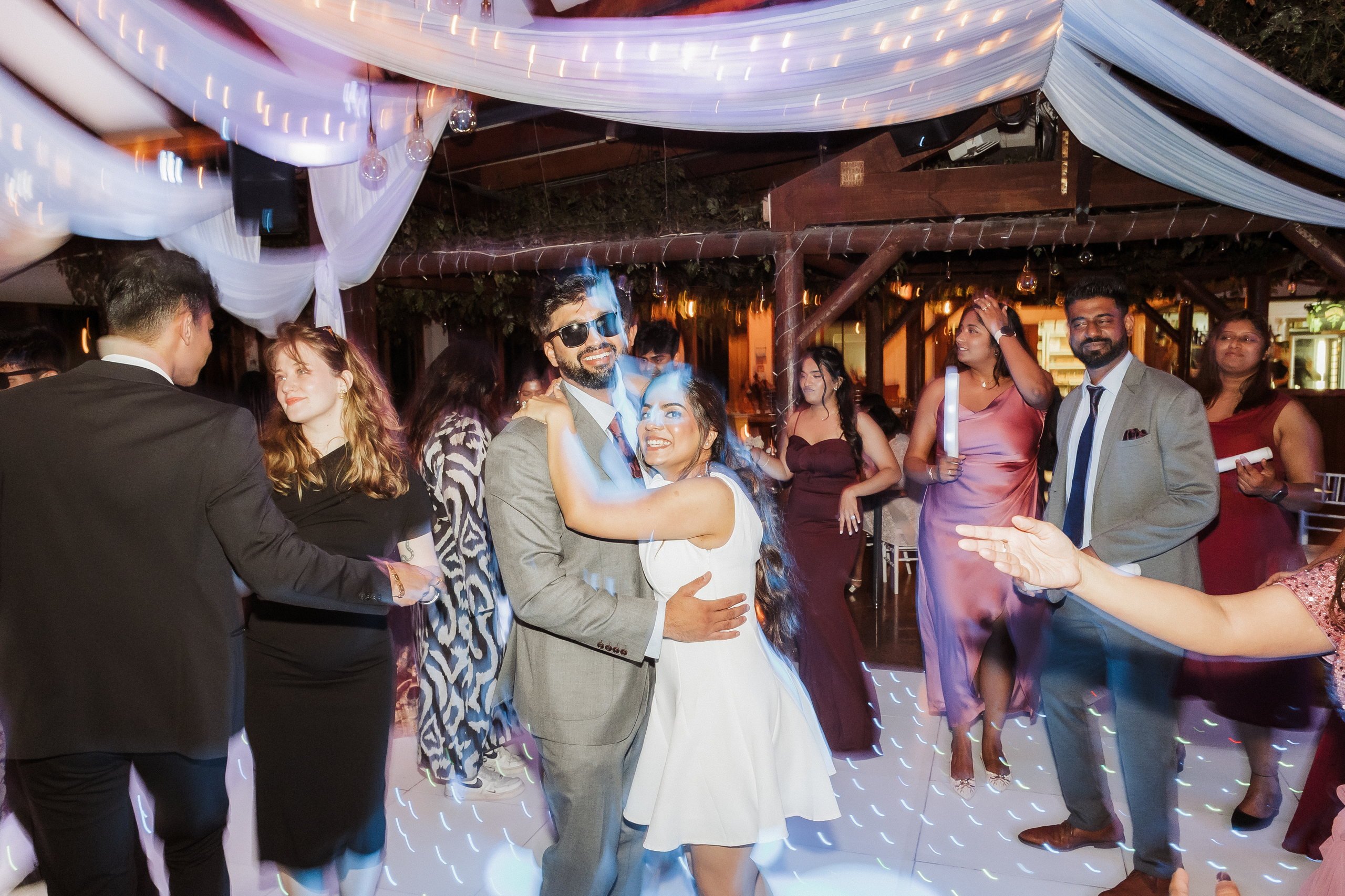
A dark reception is the test. This is what the fast zoom and the second body are actually for — and why audio comes before any more glass.
Around the camera
The working kit
The accessories layer — the things that sit around the camera rather than in front of it. All partner links, same rule as the rest of the page: I own it and I use it. Tap any product to open the brand’s store.
On set
Category 01
Sound, second angles and the small stands that hold everything up. This is the kit that stops one operator being one operator.
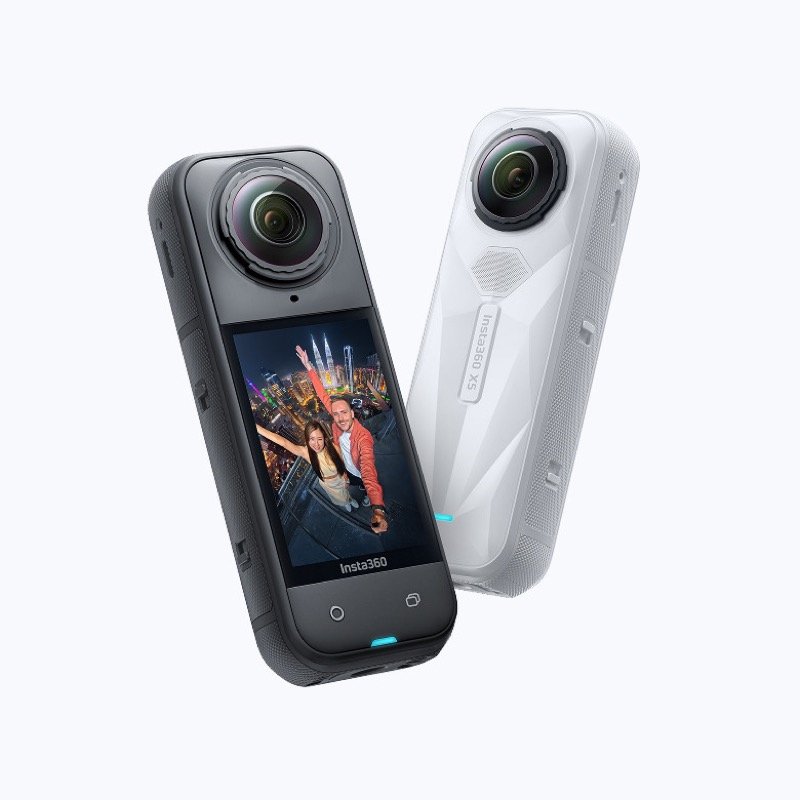
A 360 camera left running covers angles a second shooter would otherwise have to stand in. You reframe afterwards and pull more than one usable shot out of a moment that happened once. I shoot the X5 — the X6 is the newer generation.
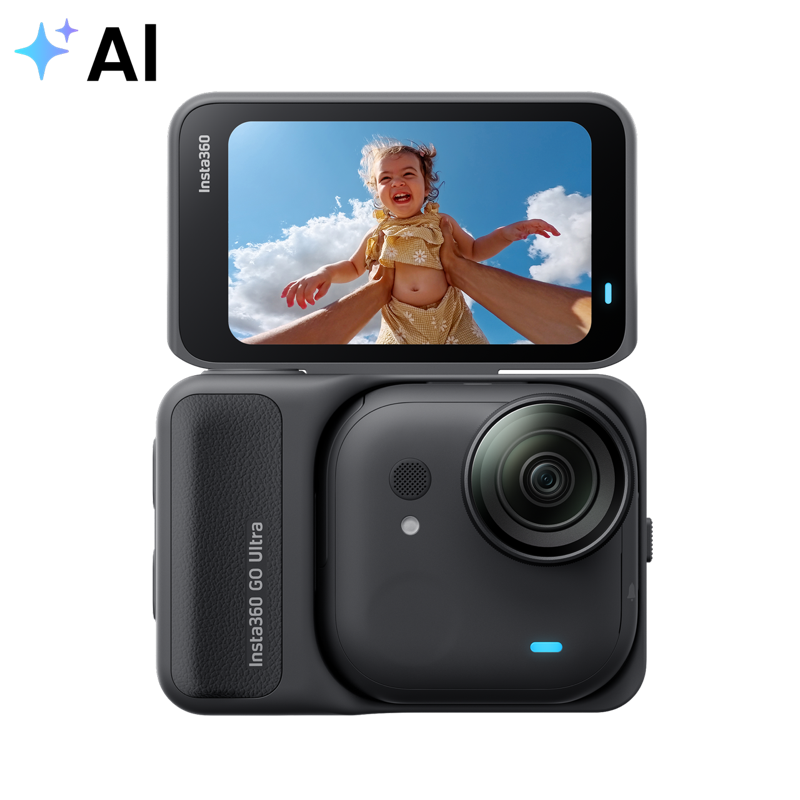
Small enough to mount where a full-size camera cannot go, and to keep rolling when both hands are already busy.
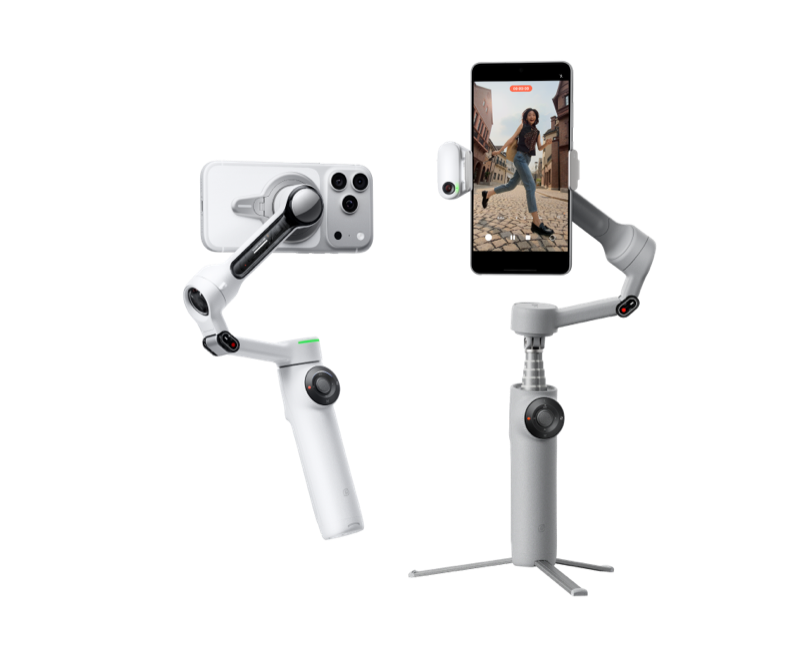
Behind-the-scenes and social content on the day without carrying another camera body for it.
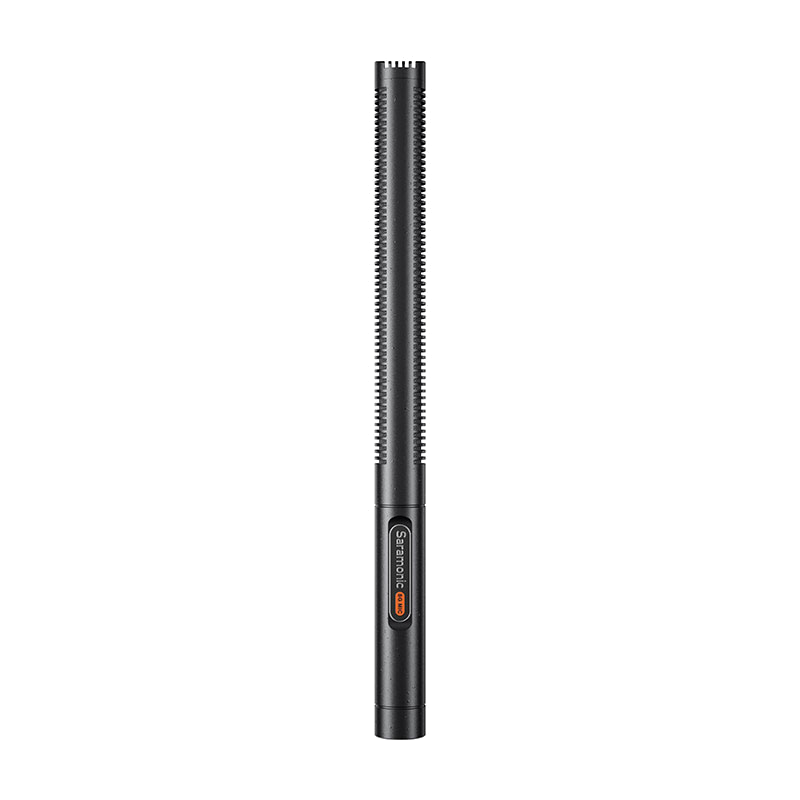
Covers the room when a clip mic is not practical — speeches, the celebrant, and the ambience that makes a film sound like it was there.
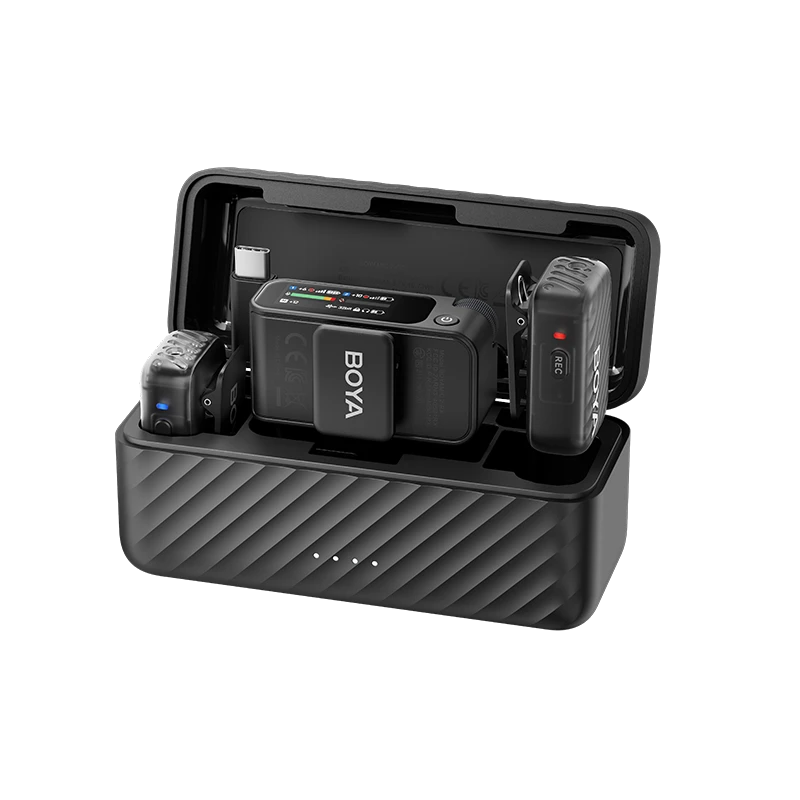
Vows and speeches. Clean audio is the one thing a wedding film cannot be rescued from, so this goes on the celebrant and the groom before anything else is set up.
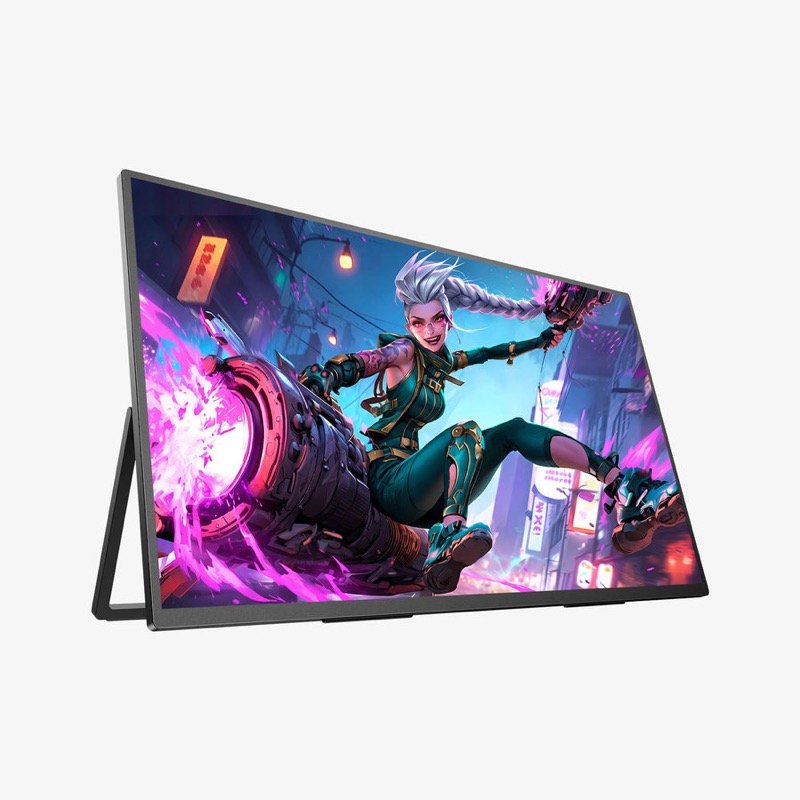
Client review on set without everyone crowding a camera screen, and a second display for culling on location between shoots.
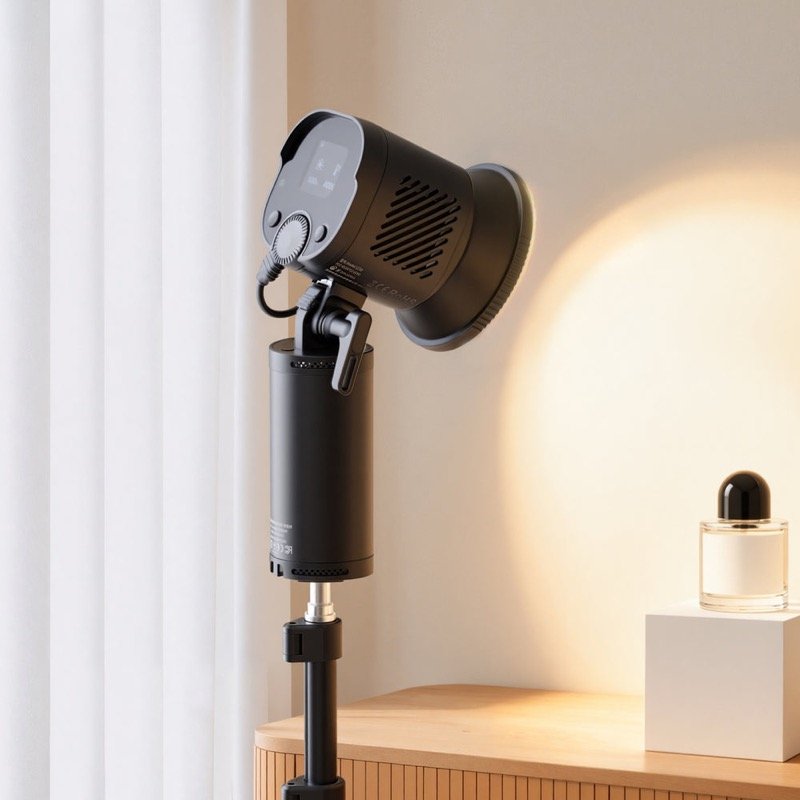
The bracket-and-stand layer nobody photographs but everybody needs — quick-release monopods, a light stand that packs down, MagSafe mounts, and small LEDs for detail shots and getting-ready rooms.
ULANZI’s affiliate programme takes 20% off the whole store through the link — there is no code to enter.
Desk, power & storage
Category 02
Unglamorous and non-negotiable. Cards come off the camera, onto a drive, and into a backup before I leave the venue car park — and everything has to be charged before it starts.
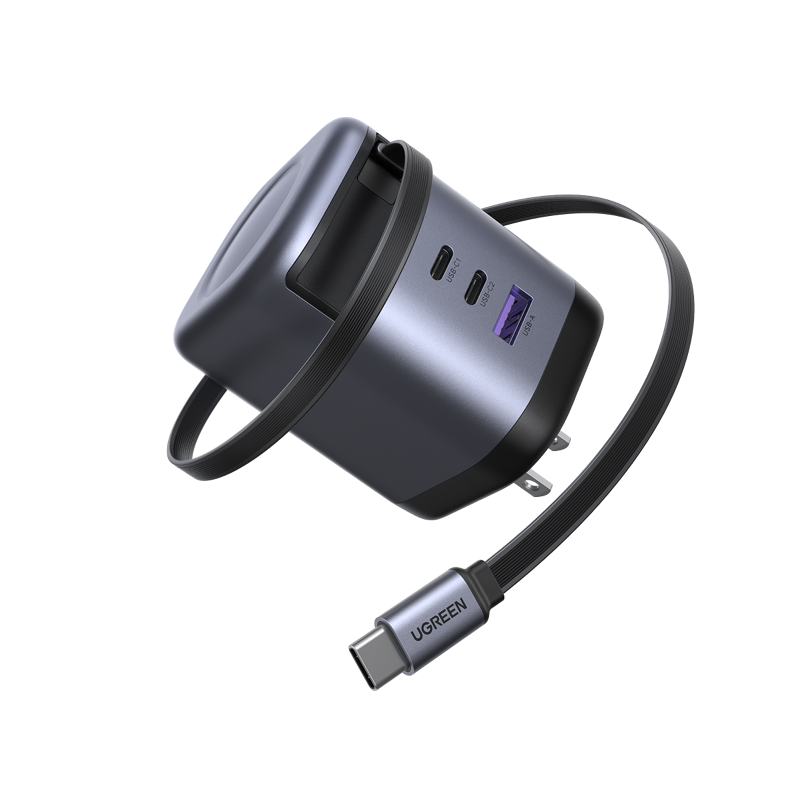
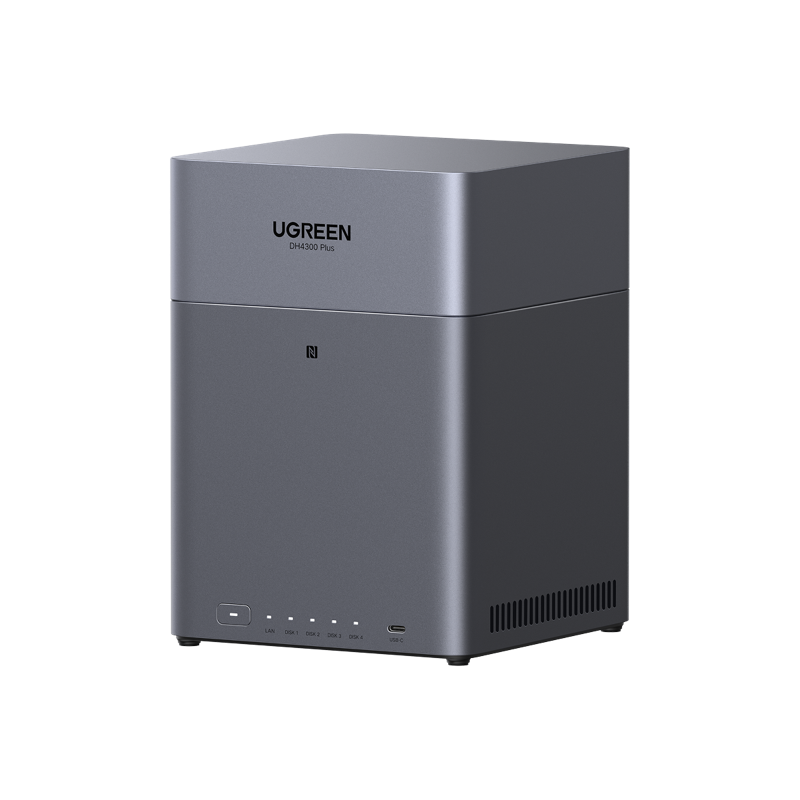
The offload chain: cards into the enclosure, laptop onto one cable at the desk, and a power bank that keeps the day running.

Enclosure and hub, plus the charging station — phones, tablets and the booth iPads all landing in one place the night before a job, rather than four cables round the house.

Offload speed across a wedding-sized card set is the whole argument: time spent watching a progress bar is time not spent editing.

The boring, reliable layer. A cable that does not fail on a wedding day is worth paying for once instead of replacing three times.
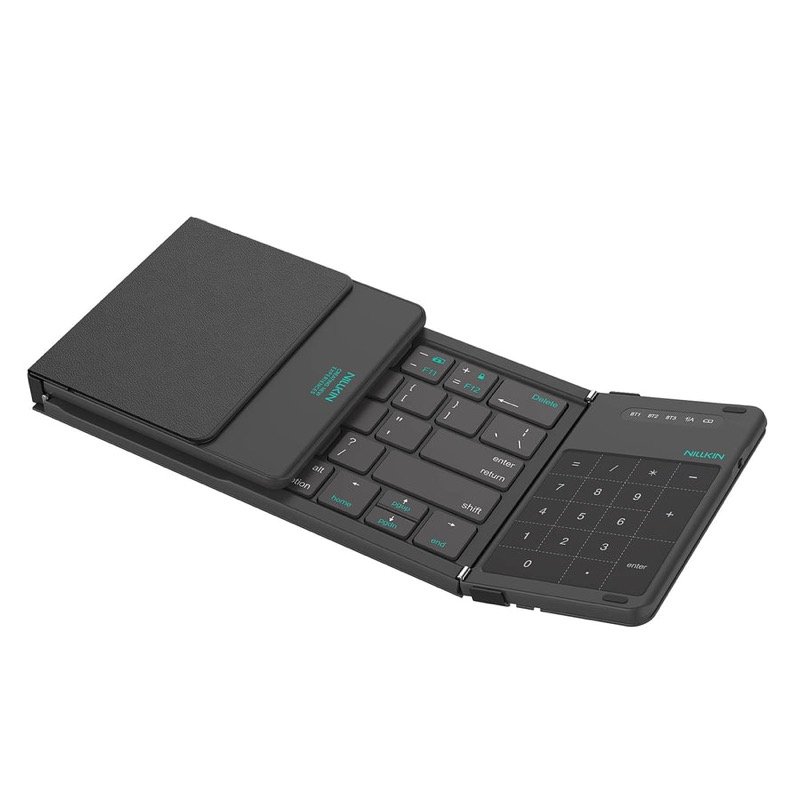
The phone is a working tool on the day — shot lists, timelines, client messages — and it has to survive fourteen hours in a pocket.
Carrying it
Category 03
Nobody books you because of your bag. But the difference between reaching a lens in two seconds and four seconds, forty times a day, is a real difference by the time the sun goes down.
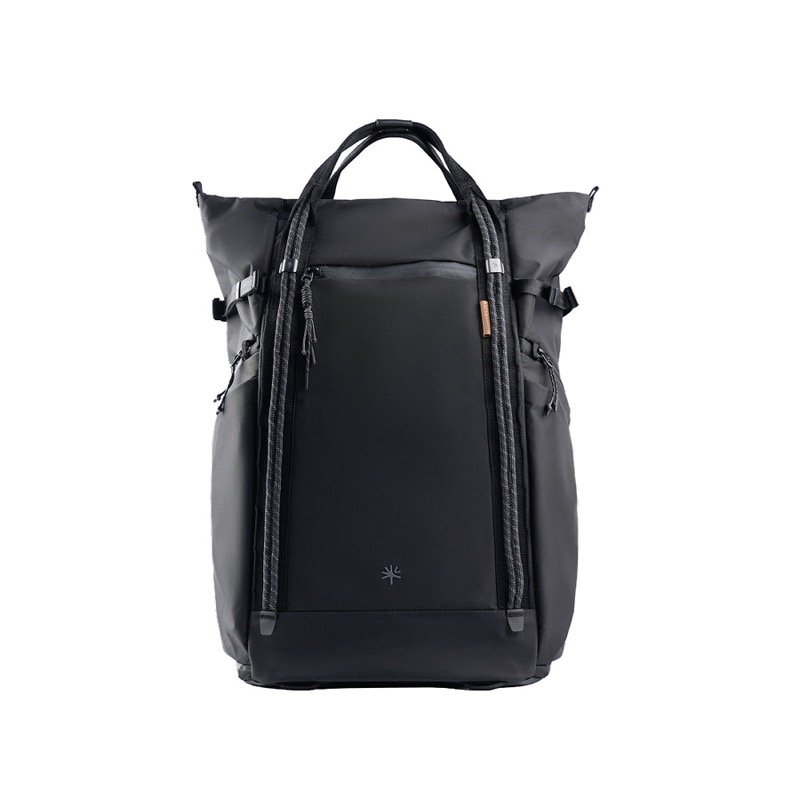
Why it stays. The capture clips and quick-access bags do one job well — getting a body onto a strap or off a strap without looking down. On a wedding day, not looking down is the whole point.
Where it falls short. The range is broad and not everything in it is essential. Buy the one piece that solves your actual problem rather than the system.
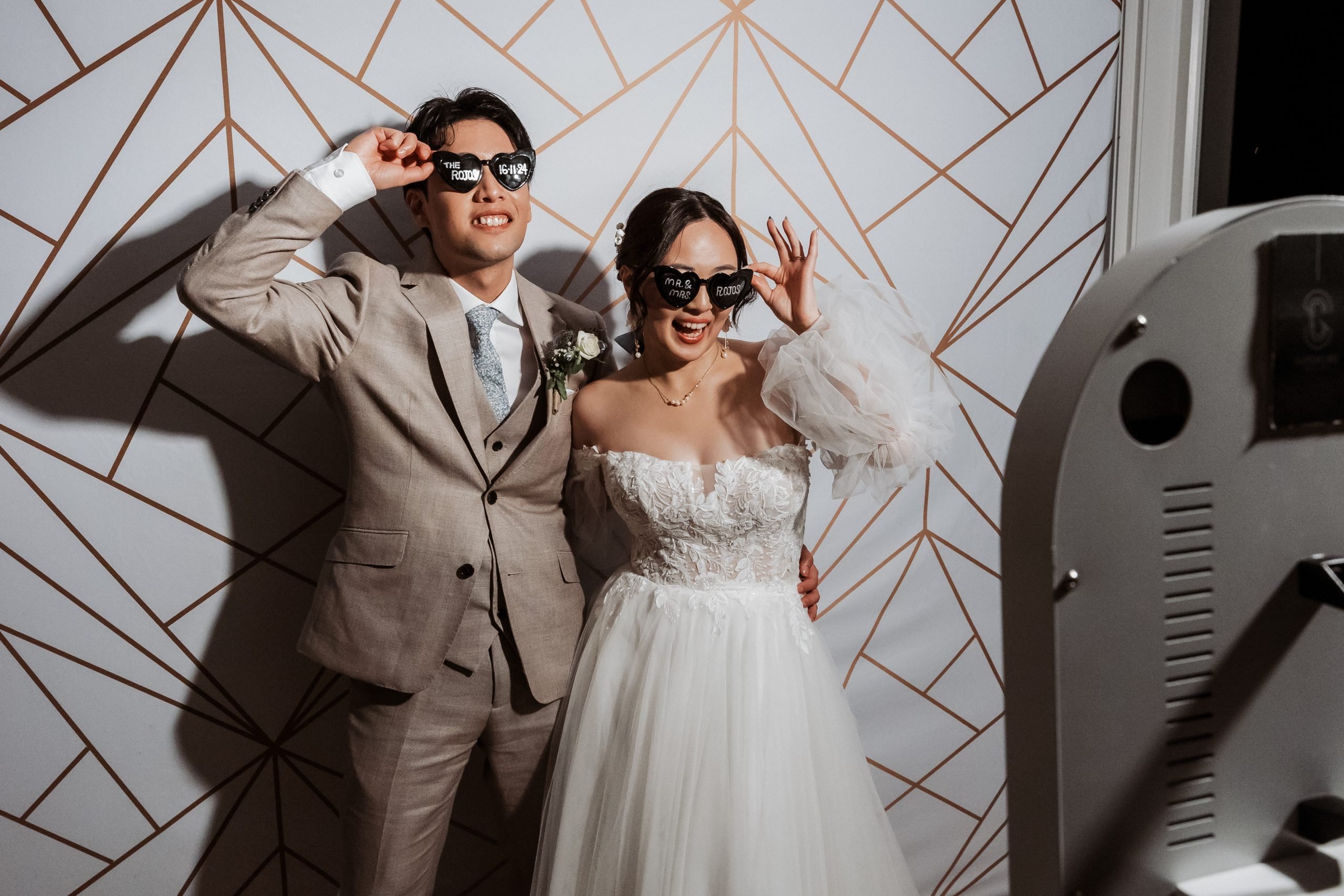
A 360 camera left running, and a booth going all night, cover moments that happened once — from angles nobody was standing in.
Brand partners
The Lab store
Ten official stores, all of them brands whose kit is actually in my bag. Every link here opens the brand’s own online store — going through mine costs you nothing, and with ULANZI it takes 20% off your whole order.
On sale now
 Official store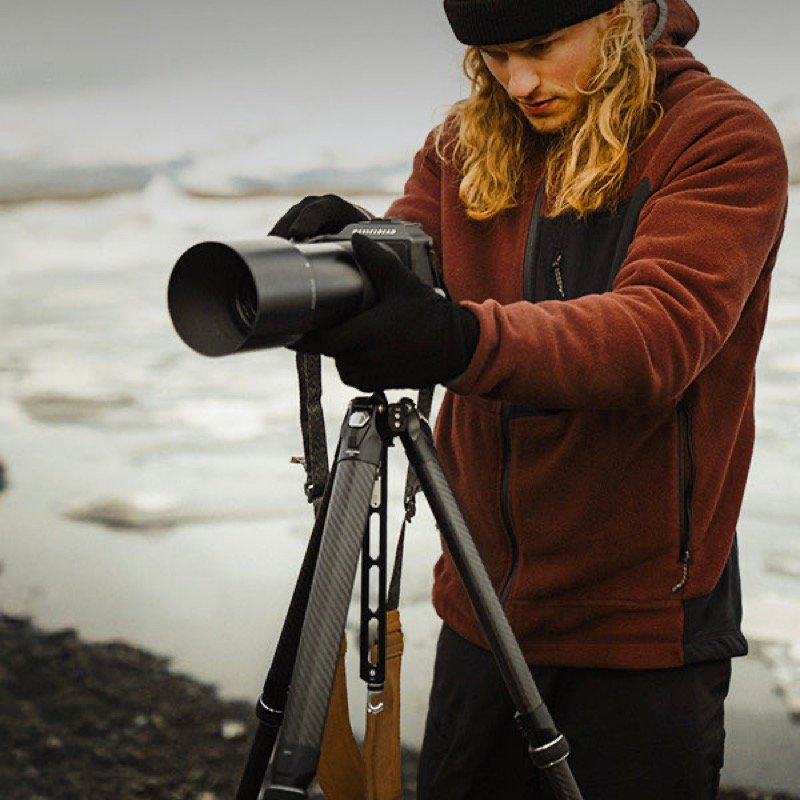
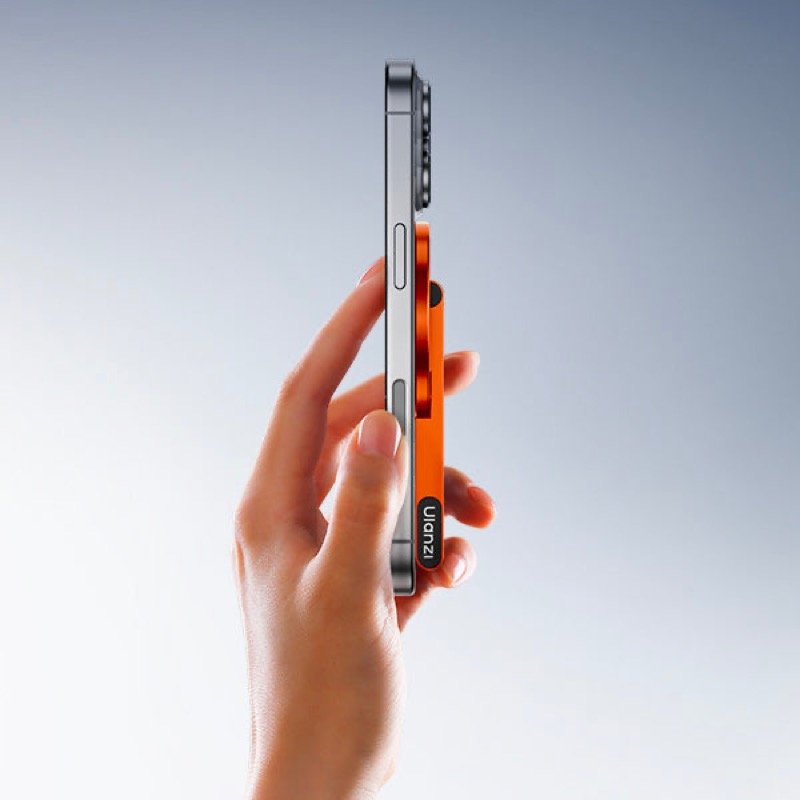
ULANZI
Tripods, monopods, light stands, MagSafe mounts and small LED lights — the bracket-and-stand layer I use on every job.
Discount applies automatically through this link.
 Official store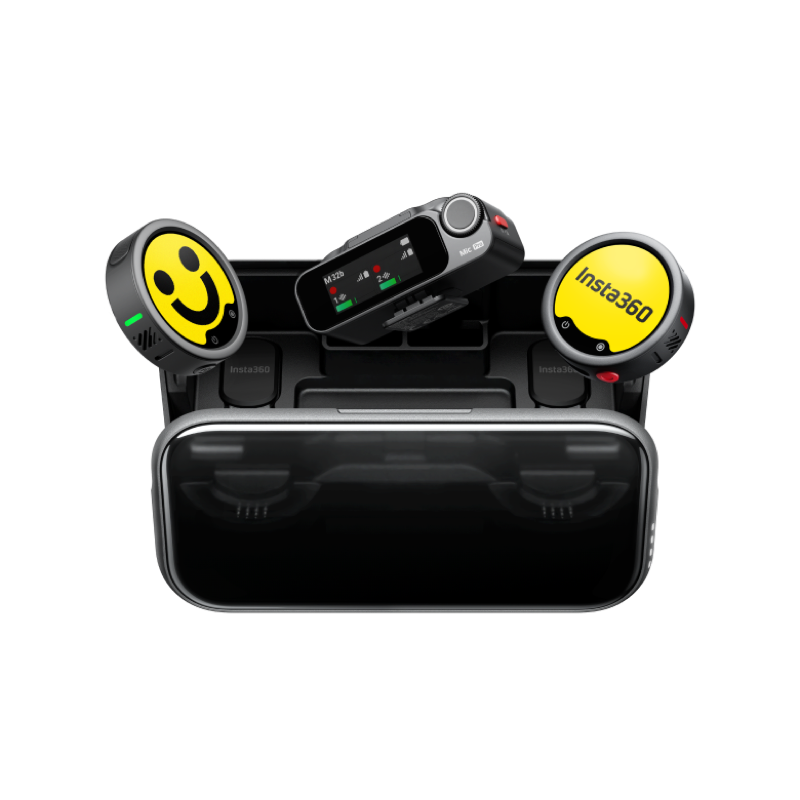
Insta360
360 and action cameras, phone gimbals, webcams and wireless mics. The X5 is the one that runs on my wedding days.
Sale pricing shown in the store.
 Official store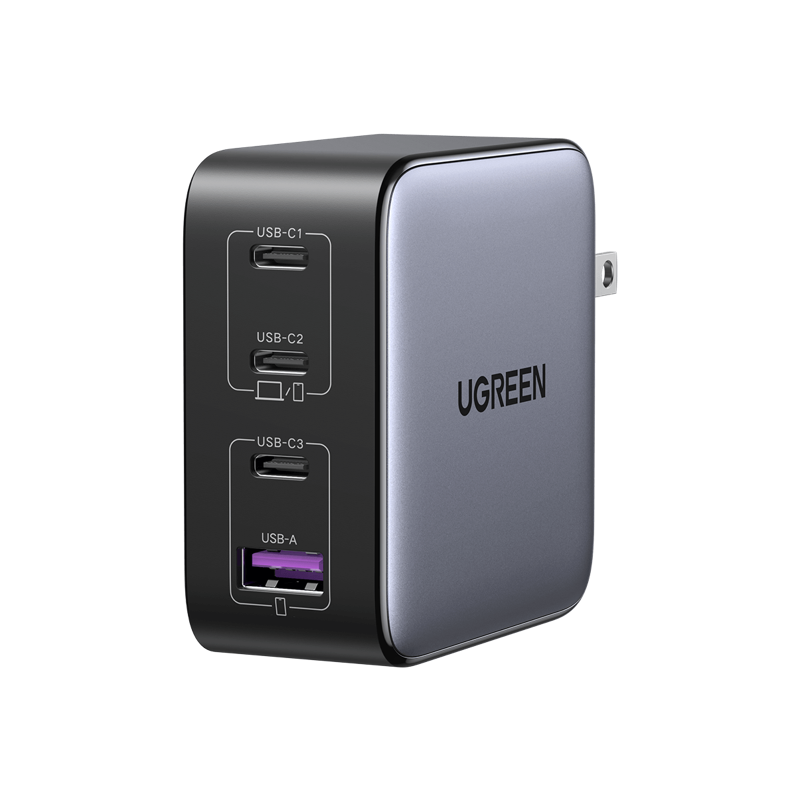
Ugreen
Chargers, cables, docks, power banks, SSD enclosures and NAS storage — the offload and power chain behind every shoot.
Discounts vary by product.
More partner stores



The software I run
VoiceInk
Mac dictation that runs locally on my own machine. I use it to talk through client emails, captions and blog drafts instead of typing them.
DaVinci Resolve Titles
Title, lower-third and transition templates for Resolve. I cut wedding films in Resolve and do not want to build every title from scratch.
Aftershoot
AI culling and editing. A wedding is three thousand frames and this is what stops me doing that by hand at midnight.
Reblum
Portrait retouching. Batch skin work across a full gallery, which is the job it is genuinely good at.
Adobe Creative Cloud
Lightroom and Photoshop. Still where every gallery starts and finishes.
Audiio
Licensed music and sound effects for video. Wedding films live or die on the track, and this is where mine come from.
Honesty
What is not on this list
There are brands that would pay me more than anything above to be on this page. Marketplace gear, cheap ring lights, phone gimbals I have never taken to a wedding. They are not here.
Everything on this page is something I paid for, carried, and kept using — and where it has a weakness, I have said so.
Questions
Before you buy anything
What should I buy first?
One fast zoom and a second body, in that order. Not a third lens. The gear that makes a visible difference to a client is the gear that keeps working when something fails and lets you shoot in a dark room without a flash in someone’s face.
Do I need the f/2 zoom to shoot weddings?
No. An f/2.8 zoom and a cheap fast prime will shoot a wedding that nobody can tell apart in a gallery. The f/2 buys comfort in bad light and one less lens change — those are real, but they are conveniences, not the thing clients are paying for.
Will you tell me what to buy for my situation?
That is most of what my mentoring sessions end up being about — usually the conclusion is that you need less than you think. Details are on the mentoring page below.
Gear is the easy part
If you are working out what to buy, or what to charge, or how to shoot a dark reception — that is a conversation, not a shopping list.